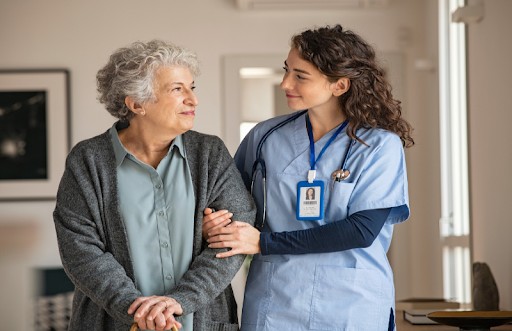
As spring brings warmer weather and blooming flowers, it’s an ideal time to encourage seniors in your care to engage in regular physical activity. Physical activity is crucial for maintaining strength, flexibility, and overall well-being as we age. Encourage activities like walking, gentle stretching exercises, or even gardening, which not only promote physical health but also provide opportunities for social interaction and mental stimulation. Remember to tailor activities to individual abilities and preferences, and always prioritize safety. By promoting regular physical activity, you’re supporting seniors in leading active and fulfilling lives.
Latest News on Senior Health Care Management
Best Practices for Resident Safety and Care
In the intricate landscape of healthcare, the realm of nursing homes holds a critical position, particularly in ensuring the safety and wellbeing of our most vulnerable population – the elderly.
In the landscape of healthcare, particularly within nursing homes, staffing stands as a cornerstone issue, critical to the provision of high-quality care.
Streamlining Operations For Enhanced Senior Health Care Management
May’s focus on operational efficiency provides an excellent opportunity to delve into management strategies aimed at optimizing the operations of senior health care facilities. By prioritizing efficiency and effectiveness in day-to-day operations, senior health care managers can enhance the quality of care, improve staff satisfaction, and ensure the overall success of their facilities.
Strategic Staffing and Workforce Management: Adequate staffing levels and a well-trained workforce are essential for delivering quality care to senior residents. Senior health care managers should utilize workforce management tools and analytics to assess staffing needs, optimize scheduling, and allocate resources efficiently. By matching staffing levels to resident acuity and care requirements, facilities can enhance patient outcomes and reduce staff burnout.
Embracing Technology and Innovation: Technology plays a pivotal role in modern senior health care management, offering opportunities to streamline processes, improve communication, and enhance resident care. From electronic health records (EHR) systems to telehealth solutions, senior health care facilities can leverage technology to automate tasks, reduce administrative burden, and facilitate remote monitoring of residents’ health status. Embracing innovation enables facilities to stay ahead of the curve and deliver cutting-edge care to seniors.
Continuous Quality Improvement (CQI): Implementing a culture of continuous quality improvement is essential for driving excellence in senior health care facilities. Senior health care managers should establish robust quality assurance programs, conduct regular audits and assessments, and solicit feedback from residents, families, and staff. By identifying areas for improvement and implementing evidence-based practices, facilities can enhance the quality of care and promote a culture of accountability and excellence.
Effective Communication and Collaboration: Clear and effective communication is essential for promoting teamwork, ensuring coordination of care, and fostering a positive work environment in senior health care facilities. Managers should prioritize open communication channels, encourage collaboration between interdisciplinary teams, and provide opportunities for staff training and development. By fostering a culture of transparency and collaboration, facilities can improve employee engagement and enhance patient satisfaction.
Compliance and Risk Management: Compliance with regulatory requirements and adherence to best practices are paramount in senior health care management. Senior health care managers should stay abreast of changing regulations, implement robust policies and procedures, and conduct regular audits to ensure compliance with standards of care. Additionally, facilities should implement comprehensive risk management strategies to identify and mitigate potential risks, such as infection control measures and emergency preparedness protocols.
Effective management is essential for the success of senior health care facilities, encompassing strategic staffing, technology adoption, quality improvement initiatives, communication strategies, and compliance efforts. By implementing these management strategies, senior health care managers can enhance the delivery of care, optimize operational efficiency, and ultimately improve the quality of life for senior residents. Through a commitment to excellence and continuous improvement, senior health care facilities can navigate challenges and thrive in an ever-evolving healthcare landscape.